Otto Brooks · 20 September 2026
Polish Technical University Students Obtain Patent for Budget-Friendly Solar Tracking Solutions Tailored to Schools
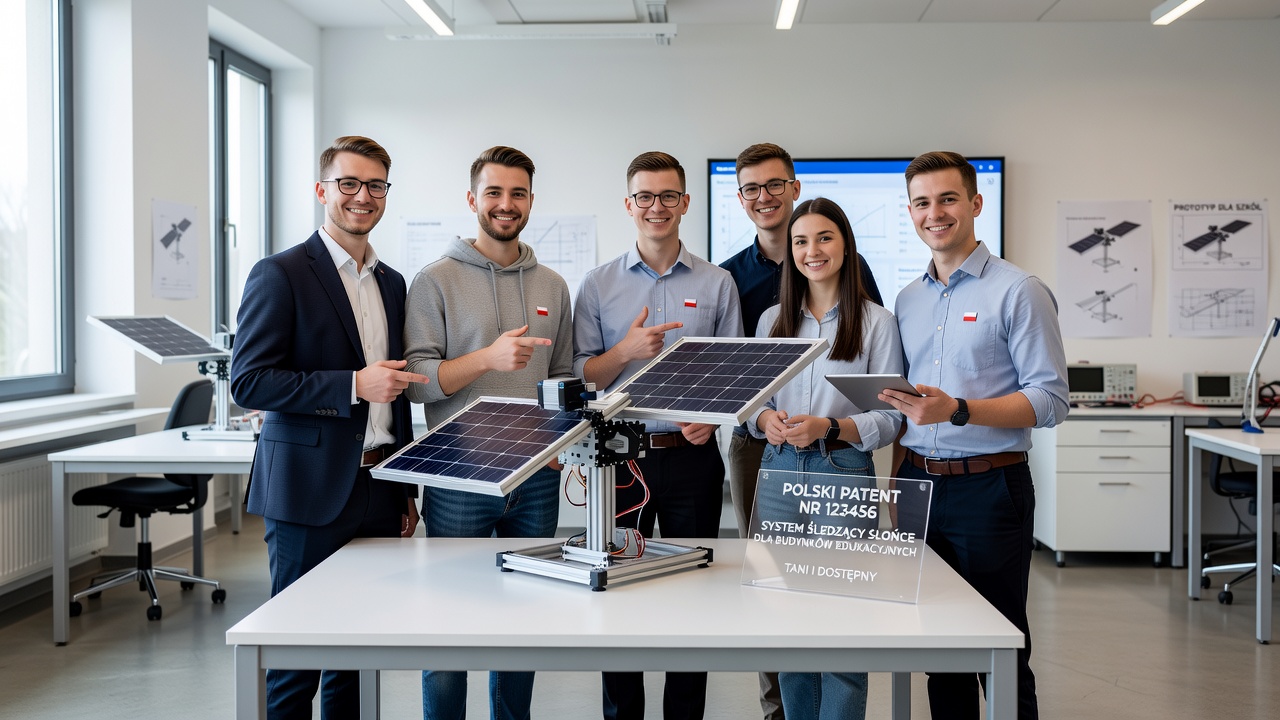
Students at several Polish technical universities have secured a patent for an affordable solar tracking system specifically engineered for educational buildings, with the formal grant process wrapping up in September 2026 and opening doors for broader adoption across school campuses nationwide. The invention centers on a lightweight, modular tracker that adjusts solar panels throughout the day to follow the sun's path, all while keeping production costs low enough for tight institutional budgets.
Development Background and Team Efforts
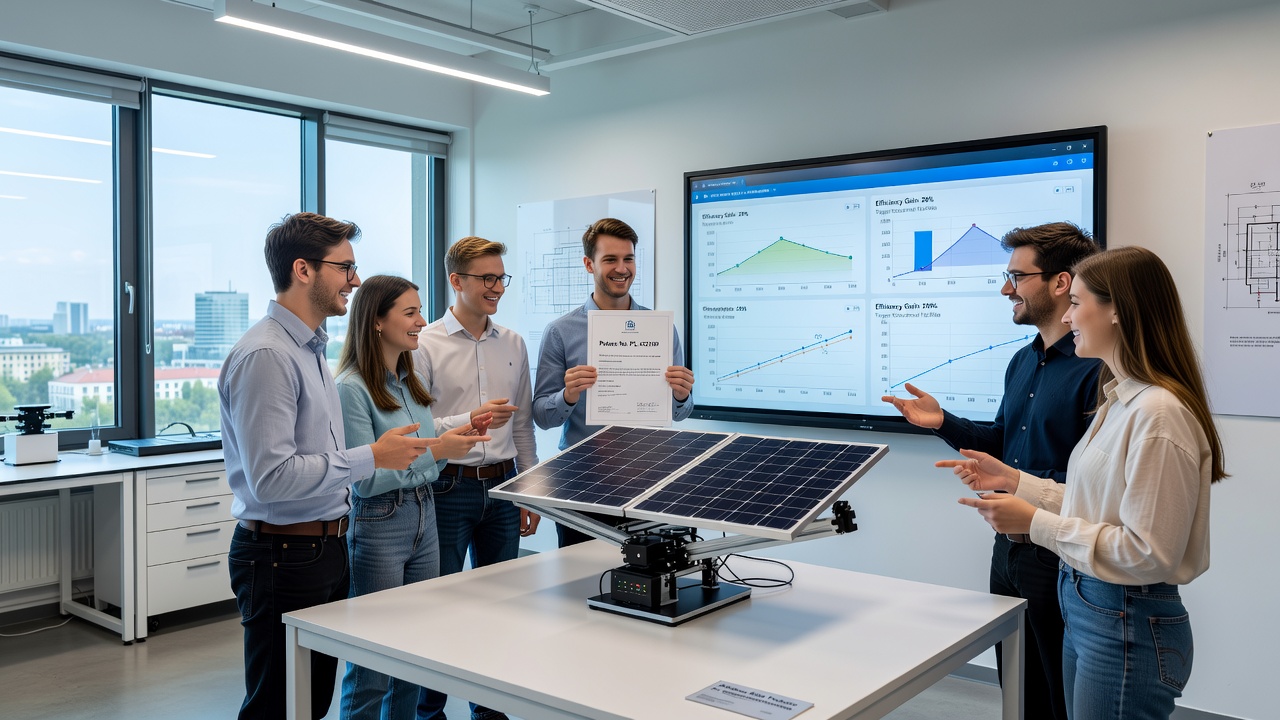
Teams drawn from multiple engineering departments collaborated over several semesters to refine the design, starting with basic prototypes built from off-the-shelf components and gradually incorporating custom sensors plus simplified actuators. Researchers at these institutions documented each iteration through lab tests that measured energy yield gains against fixed-panel setups, and data showed consistent improvements ranging from 25 to 35 percent depending on location and season. Observers note the students focused on durability in Poland's variable climate, incorporating weather-resistant coatings and fail-safe mechanisms that allow manual override during storms.
Core Technology Features
The patented system relies on a dual-axis mechanism driven by low-power motors connected to a basic microcontroller that processes real-time light intensity readings, while the overall frame uses recycled aluminum alloys to cut material expenses without sacrificing structural integrity. One prototype installed at a secondary school in southern Poland demonstrated reliable performance across winter months when snow loads and low angles presented challenges, and similar units are now under evaluation at two additional sites. Experts have observed that integration with existing building management systems occurs through standard interfaces, which reduces installation complexity and avoids the need for specialized technicians in many cases.
Cost analyses conducted by the university teams placed the per-unit price below comparable commercial trackers available on the European market, primarily because the design eliminates proprietary software subscriptions and uses open-source control algorithms. Figures from early deployments indicate payback periods under five years when paired with standard photovoltaic arrays, and schools gain the added benefit of using the installations as live teaching tools for physics and environmental science classes.
Patent Process and Regulatory Steps
Submission to the Polish Patent Office occurred in late 2024 after preliminary searches confirmed novelty in the simplified gearing arrangement and sensor calibration method, and examiners granted the patent following standard review periods that included public disclosure requirements. The students worked with university legal advisors to navigate the application, ensuring claims covered both teh hardware configuration and the adaptive control logic. According to records from the European Patent Office, similar filings in neighboring countries remain under examination but build on the Polish precedent for streamlined educational applications.
Implementation in Educational Settings
School administrators who have reviewed the specifications highlight the system's scalability, noting that individual buildings can start with a single tracker unit and expand as funding allows, while the modular design supports easy maintenance using basic tools. In September 2026 several pilot programs launched at vocational high schools where students themselves participate in monitoring performance metrics as part of practical coursework, creating direct links between the technology and curriculum goals. Data from these installations feeds into regional energy databases that track overall photovoltaic contributions from public buildings.
Additional case examples include a primary school near Warsaw that combined the tracker with battery storage to offset peak demand charges, and preliminary readings show measurable reductions in grid reliance during instructional hours. Those who've studied the rollout observe that the technology aligns with broader European Union directives on renewable integration in public infrastructure, though local permitting processes still require coordination with municipal energy authorities.
Broader Energy Context and Data Trends
National statistics on educational sector energy consumption reveal that schools account for a notable share of public building electricity use, and the introduction of tracking systems offers one pathway to lower operational costs while supporting national renewable targets. Reports from the International Energy Agency indicate Poland has expanded its solar capacity significantly in recent years, with distributed installations on institutional rooftops forming an increasing portion of new additions. The student-patented design adds an accessible option within that landscape because it prioritizes affordability over maximum efficiency gains found in premium industrial models.
Conclusion
The patent secured by these Polish students establishes a documented pathway for cost-effective solar tracking in educational environments, with initial deployments providing concrete performance data that other institutions can reference. Continued evaluation through 2026 and beyond will clarify long-term maintenance requirements and scalability across different building types, while the open elements of the design encourage further academic collaboration on refinements.